

Reviews

Reviews

by Ariel Burger - Memoir, Nonfiction

The world remembers Elie Wiesel --- Nobel laureate, activist and author of more than 40 books, including Oprah’s Book Club selection NIGHT --- as a great humanist. He passed away in July 2016. Ariel Burger first met Wiesel at age 15. They studied together and taught together. WITNESS chronicles the intimate conversations between these two men over decades, as Burger sought counsel on matters of intellect, spirituality and faith, while navigating his own personal journey from boyhood to manhood, from student and assistant to rabbi and, in time, teacher.

by Tina Turner - Memoir, Nonfiction

From her early years in Nutbush, Tennessee, to her rise to fame alongside Ike Turner to her phenomenal success in the 1980s and beyond, Tina Turner candidly examines her personal history, from her darkest hours to her happiest moments and everything in between. MY LOVE STORY is an explosive and inspiring story of a woman who dared to break any barriers put in her way. Emphatically showcasing Tina’s signature blend of strength, energy, heart and soul, this is a gorgeously wrought memoir as enthralling and moving as any of her greatest hits.

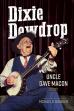
by Michael D. Doubler - Biography, Music, Nonfiction

One of the earliest performers on WSM in Nashville, Uncle Dave Macon became the Grand Ole Opry's first superstar. His old-time music and energetic stage shows made him a national sensation and fueled a 30-year run as one of America's most beloved entertainers. Michael D. Doubler tells the amazing story of the Dixie Dewdrop, a country music icon. Born in 1870, David Harrison Macon learned the banjo from musicians passing through his parents' Nashville hotel. After playing local shows in Middle Tennessee for decades, a big break led Macon to Vaudeville, the earliest of his 200-plus recordings and eventually to national stardom.

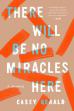
by Casey Gerald - Memoir, Nonfiction

Casey Gerald's story begins at the end of the world: Dallas, New Year's Eve 1999, when he gathers with the congregation of his grandfather's black evangelical church to see which of them will be carried off. His beautiful, fragile mother disappears frequently and mysteriously; for a brief idyll, he and his sister live like Boxcar Children on her disability checks. When Casey --- following in the footsteps of his father, a gridiron legend --- is recruited to play football at Yale, he enters a world he's never dreamed of. But even as he attains the inner sanctums of power, Casey sees how the world crushes those who live at its margins. He sees how the elite perpetuate the salvation stories that keep others from rising. And he sees, most painfully, how his own ascension is part of the scheme.

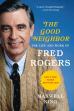
by Maxwell King - Biography, Entertainment, Nonfiction, Performing Arts

Fred Rogers (1928-2003) was an enormously influential figure in the history of television. As the creator and star of "Mister Rogers’ Neighborhood," he was a champion of compassion, equality and kindness, fiercely devoted to children and taking their questions about the world seriously. Based on original interviews, oral histories and archival documents, THE GOOD NEIGHBOR traces Rogers’ personal, professional and artistic life through decades of work. It includes his surprising decision to walk away from the show in 1976 to make television for adults, only to return to the neighborhood to help children face complex issues such as divorce, discipline, mistakes, anger and competition.

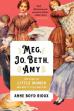
by Anne Boyd Rioux - Literary Criticism, Nonfiction

Soon after its publication, LITTLE WOMEN became an enormous bestseller and one of America’s favorite novels. Its popularity quickly spread throughout the world, and the book has become an international classic. When Anne Boyd Rioux read the novel in her 20s, she had a powerful reaction to the story. Through teaching the book, she has seen the same effect on many others. In MEG, JO, BETH, AMY, Rioux recounts how Louisa May Alcott came to write LITTLE WOMEN, drawing inspiration for it from her own life. Rioux also examines why this tale of family and community ties, set while the Civil War tore America apart, has resonated through later wars, the Depression, and times of changing opportunities for women.

by Raymond Arsenault - Biography, Nonfiction, Sports

Raymond Arsenault chronicles tennis superstar Arthur Ashe’s rise to stardom on the court. But much of the book explores his off-court career as a human rights activist, philanthropist, broadcaster, writer, businessman and celebrity. In the 1970s and ’80s, Ashe gained renown as an advocate for sportsmanship, education, racial equality and the elimination of apartheid in South Africa. But from 1979 on, he was forced to deal with a serious heart condition that led to multiple surgeries and blood transfusions, one of which left him HIV-positive. Five years after being diagnosed with AIDS, Ashe passed away at the age of 49, leaving an inspiring legacy of dignity, integrity and active citizenship.

by Keith O'Brien - History, Nonfiction

Between the world wars, no sport was more popular, or more dangerous, than airplane racing. While male pilots were lauded as heroes, the few women who dared to fly were more often ridiculed --- until a cadre of women pilots banded together to break through the entrenched prejudice. FLY GIRLS weaves together the stories of five remarkable women: Florence Klingensmith, a high school dropout; Ruth Elder, an Alabama divorcée; Amelia Earhart, the most famous, but not necessarily the most skilled; Ruth Nichols, who chafed at her blue blood family’s expectations; and Louise Thaden, a young mother of two. Together, they fought for the chance to fly and race airplanes --- and in 1936, one of them would triumph, beating the men in the toughest air race of them all.

by Neel Patel - Fiction, Short Stories

In his sharp, surprising debut, Neel Patel gives voice to our most deeply held stereotypes and then slowly undermines them. His characters, almost all of whom are first-generation Indian Americans, subvert our expectations that they will sit quietly by. We meet two brothers caught in an elaborate web of envy and loathing; a young gay man who becomes involved with an older man whose secret he could never guess; three women who almost gleefully throw off the pleasant agreeability society asks of them; and, in the final pair of linked stories, a young couple struggling against the devastating force of community gossip.

by Andrew Lawler - History, Nonfiction

In 1587, 115 men, women and children arrived at Roanoke Island on the coast of North Carolina to establish the first English settlement in the New World. But when the new colony's leader returned to Roanoke from a resupply mission, his settlers had vanished, leaving behind only a single clue --- a "secret token" etched into a tree. What happened to the Lost Colony of Roanoke? That question has consumed historians, archaeologists and amateur sleuths for 400 years. In THE SECRET TOKEN, Andrew Lawler sets out on a quest to determine the fate of the settlers, finding fresh leads as he encounters a host of characters obsessed with resolving the enigma.

